Avoid hidden rubbish removal charges in Kingston Council area
Posted on 02/06/2026
If you have ever booked a rubbish collection and then stared at the final bill thinking, "Where did that come from?", you are not alone. Hidden charges can creep in through access fees, labour add-ons, restricted item surcharges, or vague wording that sounded harmless at the quote stage. This guide explains how to avoid hidden rubbish removal charges in Kingston Council area, what to ask before you book, and how to compare quotes without getting lost in the small print.
Truth be told, most bad surprises are avoidable. A little checking up front can save money, time, and a fairly annoying conversation later on. Below, you will find a practical, local-minded breakdown of how rubbish removal pricing usually works, which red flags matter, and the sensible questions that help you choose with confidence.
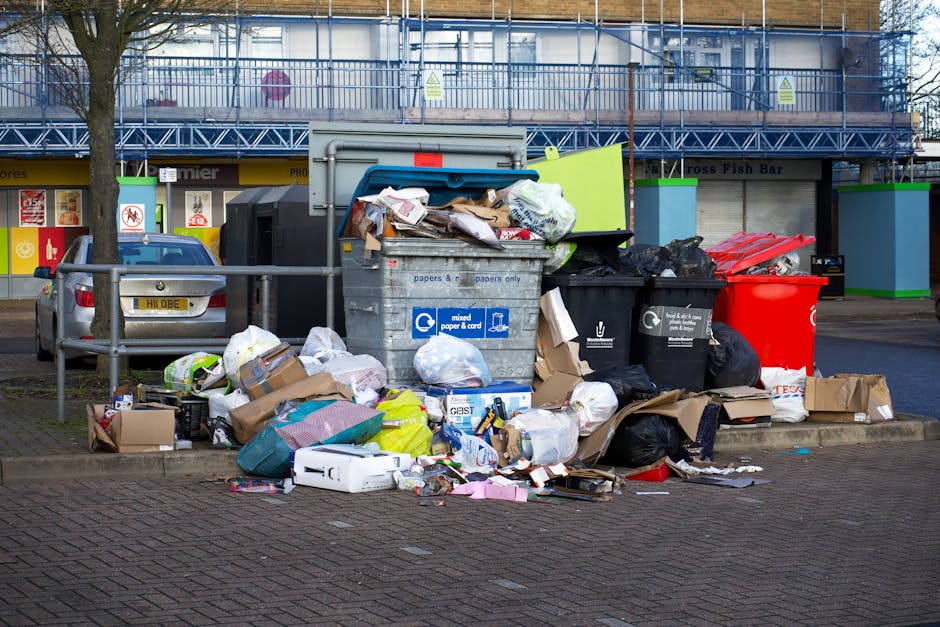
Why Avoid hidden rubbish removal charges in Kingston Council area Matters
Rubbish removal is one of those services that looks simple until it is not. You want the clutter gone. The provider wants to move fast. In between those two points sit the little details that often decide whether the price is fair or frustrating.
In Kingston Council area, that matters even more because homes and access conditions can vary a lot. Think terraced streets, parking restrictions, narrow driveways, flats with stairs, basement clear-outs, and tight collection windows. A quote that looked reasonable for a front garden pile may change if the team has to carry bags through a hallway, wait for access, or sort mixed waste on site.
The real issue is not just cost. Hidden charges can make it hard to compare providers honestly. One company may appear cheaper, then add extras for labour, distance, bulky waste, or same-day service. Another may look pricier but already include the common extras. If you do not compare like for like, you are basically comparing apples with a toolbox. Messy, and mildly unfair.
There is also a trust angle. Clear pricing usually reflects clear service. If a company is vague about what is included, that uncertainty can carry into timing, communication, and disposal standards. Most people would rather pay a fair, transparent price than chase a "cheap" offer that keeps growing.
How Avoid hidden rubbish removal charges in Kingston Council area Works
At its simplest, avoiding hidden rubbish removal charges means understanding what a quote actually covers before anyone turns up with a van. Most rubbish removal pricing is based on a mix of volume, weight, labour, access, waste type, and time. The trouble begins when one or more of those factors are not explained clearly.
Here is the usual pattern. You request a quote, describe the waste, and may send photos. The provider estimates how much space the load will take, whether it needs extra hands, and whether any items fall into special categories. If the quote is transparent, it should state what is included and what could change the price. If it is not, the final figure can drift upward. Not ideal.
Common charge points include:
- Volume-based pricing - the price changes according to how much of the van you fill.
- Weight-related surcharges - sometimes used for heavy materials such as rubble, soil, or bricks.
- Labour fees - extra charges if the job takes longer than expected or needs more staff.
- Access issues - stairs, long carries, or difficult parking can affect the cost.
- Special waste handling - items that need separate disposal may cost more.
- Timing charges - evening, weekend, or urgent collections can carry a premium.
That is why photos help, but they are not enough on their own. A picture of a pile of junk in a hallway does not tell the whole story if the hallway is four floors up with a tight turning staircase. You want a quote that reflects the actual job, not an optimistic guess.
If you are comparing services, it can help to review broader information about waste handling and service options first. For example, some readers also look at junk removal services to understand how full-service collections are typically structured, or browse what items can be taken away so they know which materials may need special treatment. The point is not to overcomplicate things. It is to know what questions to ask before the van arrives.
Key Benefits and Practical Advantages
Once you know how pricing works, the benefits of avoiding hidden charges become very clear. You get more control, less stress, and a better sense of value. That is the short version. The longer version is even better.
- Better budgeting - you can plan around the real cost instead of a hopeful starting price.
- Fewer surprises on collection day - less haggling, less delay, less awkwardness.
- Faster comparison between providers - transparent quotes are easier to assess side by side.
- Less chance of service disputes - if the scope is clear, there is less room for argument later.
- More suitable service choice - you can decide whether a van collection, skip, or another method fits best.
There is also a practical benefit that people often miss: clarity helps you prepare the site. If you know access is going to matter, you can clear a path, park closer, move pets, or separate materials in advance. That sounds small, but small things save money.
Expert summary: the cheapest rubbish removal quote is not always the best deal. The best deal is the one that states exactly what is included, explains possible extras, and matches the job you actually need done.
A clean, honest quote often signals a cleaner, more organised collection overall. And yes, that really does matter when your hallway is full of old furniture and the air smells faintly of damp cardboard.
Who This Is For and When It Makes Sense
This topic is useful for almost anyone booking rubbish clearance in Kingston Council area, but it is especially relevant if your job has one or more moving parts.
- Homeowners clearing lofts, garages, sheds, or leftover renovation waste.
- Tenants who need to remove items before moving out and want to avoid deposit-related stress.
- Landlords and letting agents handling end-of-tenancy clearances.
- Busy families who need a quick, tidy collection without watching the clock all day.
- Small businesses dealing with office clear-outs, stock, packaging, or old fixtures.
- Builders and tradespeople who need predictable disposal for mixed site waste.
It makes the most sense when the job is not a simple one-bag pickup. If you have bulky items, mixed materials, tight access, or a deadline, the chance of extra charges rises unless the service is properly scoped first.
Even for small jobs, it still pays to ask questions. A single sofa can be simple. A single sofa on the third floor, no lift, narrow stairs, and a parking problem? Well, now you are in a different category altogether. Slightly annoying, yes. Avoidable, also yes.
Step-by-Step Guidance
If you want to avoid hidden rubbish removal charges in Kingston Council area, follow a structured process. It is boring in the best way. Boring is good here.
1. List exactly what needs removing
Write down the items and, if possible, group them by type: furniture, general household waste, garden waste, rubble, electrical items, mattresses, or mixed junk. Specifics matter. "A bit of clutter" is rarely enough.
2. Take clear photos from multiple angles
Send wide shots and close-ups. Include access points, stairs, gates, parking distance, and any awkward corners. A quick photo in daylight is often enough to reduce misunderstanding later.
3. Ask what the quote includes
Do not stop at the headline price. Ask whether the price includes labour, loading, disposal, congestion or parking considerations, and VAT if applicable. If something sounds vague, ask for plain English.
4. Ask what could increase the price
Good providers should explain the triggers for extra costs before they arrive. That may include additional volume, heavy materials, additional labour, restricted access, or unexpected hazardous items. If they cannot explain it calmly, that is a bit of a warning sign.
5. Confirm how the final price is agreed
Some firms confirm a fixed quote from photos. Others inspect on arrival and adjust if the load differs from the description. Either can work, as long as the method is explained clearly.
6. Separate special items in advance
Keep apart anything that may need separate handling, such as paint tins, fridges, electricals, or builders' rubble. The clearer the pile, the less room there is for surprise charges.
7. Get the terms in writing
This does not have to be a lengthy contract. Even a written message confirming scope, timing, and price triggers can help prevent misunderstandings. If things go sideways, you will be glad you did.
8. Check access before collection day
Parking a little closer, moving cars, or unlocking gates in advance can remove unnecessary delays. In Kingston's busier streets, that can make a real difference.
Expert Tips for Better Results
Here is where a few experienced habits can save you from paying more than you should. They are simple enough, but easy to forget when you are in a rush.
- Use photos that show scale - a sofa beside a doorframe tells more than a sofa by itself.
- Be honest about mixed waste - "mixed" often changes how a load is priced.
- Ask whether stair carries are included - this one catches people out more than it should.
- Clarify the disposal route - reputable providers should be able to explain how waste is handled in general terms.
- Compare service scope, not just price - the same headline figure may hide different inclusions.
- Check collection timing - same-day convenience can be worth paying for, but only if you expected it.
One practical trick: when a provider gives you a quote, repeat it back in your own words. Something like, "So that includes loading from the first floor, disposal, and no extra fee unless the volume changes?" It sounds a bit formal, maybe even a touch awkward, but it works.
If you are dealing with a larger clear-out, it can also help to understand the service style you need. A full property clearance, for example, may be quite different from a one-off removal of a few bulky items. If you are comparing options, see whether the company's wider rubbish removal approach fits your schedule, and whether their accepted items guidance matches your load before you book.

Common Mistakes to Avoid
Most hidden charges happen because people rush the quote stage. Fair enough, nobody wants to spend half an hour talking about old cupboards. But a few mistakes are particularly common.
- Accepting a verbal estimate without details - if it is not written down, it is easy for the meaning to shift.
- Hiding awkward access issues - stairs, distance, or parking problems can change the service level.
- Forgetting about heavy waste - rubble, soil, and similar materials often follow different pricing rules.
- Assuming all items are treated the same - electricals, mattresses, and special waste may be priced differently.
- Choosing the cheapest quote without checking the scope - classic mistake, and an expensive one.
- Not asking about waiting time - if the crew has to wait while access is sorted, that can matter.
Another small but important error is mixing keep, donate, and remove piles together. On a busy day, it is all too easy for something to be taken by mistake. Not ideal. Once it leaves, it leaves.
Also, be careful with "all in" wording that is not actually all in. It sounds reassuring, sure, but ask what the phrase covers. You want specifics, not vibes.
Tools, Resources and Recommendations
You do not need fancy software or complicated planning tools to get this right. A few simple habits are enough.
- Phone camera - take well-lit photos of the waste and access route.
- Notes app - keep a written list of items, dimensions where useful, and questions for the provider.
- Measuring tape - handy for bulky furniture, appliance sizes, and tight doorways.
- Simple comparison table - compare inclusions, not just price.
- Written message thread - useful for confirming the agreed scope.
When you are comparing options, ask yourself three quiet questions: Is the quote clear? Does it match the actual job? And if something changes, do I know how the price changes too? If the answer is yes, you are in a much stronger position.
For larger clear-outs, you may also want to look at nearby service details such as waste collection services and the company's guidance on which materials they can remove. That kind of detail helps you plan the job properly instead of guessing.
Law, Compliance, Standards, or Best Practice
Rubbish removal is not just about convenience. In the UK, waste must be handled responsibly, and reputable providers are expected to operate with proper care. You do not need to be a legal expert to book a collection, but a little awareness helps.
At a practical level, best practice usually means the provider can explain how waste is managed, how items are sorted, and what happens to restricted materials. If a company avoids those questions or gives vague answers, that is worth noting. You are not being difficult by asking. You are being sensible.
For homeowners and businesses alike, it is sensible to keep records of what was removed, especially for larger clear-outs or business waste. That helps with compliance, internal records, and peace of mind. In everyday terms, it also gives you a clearer paper trail if questions come up later.
There is no need to overstate this, and no one expects you to interrogate a driver like a customs officer. Still, proper waste handling is part of the service. If a provider is transparent about collection, disposal, and any item restrictions, that is a good sign.
Options, Methods, or Comparison Table
If you are trying to avoid hidden charges, the method you choose matters. Different collection types have different pricing patterns, and the right choice depends on your waste, access, and urgency.
| Option | Best for | Pricing style | Risk of hidden charges | Notes |
|---|---|---|---|---|
| Man and van rubbish removal | Mixed household waste, bulky items, quick clear-outs | Usually volume- or load-based | Medium | Ask about access, labour, and extra item charges |
| Skip hire | Longer projects, renovations, ongoing waste | Fixed hire period plus size-based pricing | Low to medium | Watch for permit needs, overfilling, and weight limits |
| Local council-style disposal options | Smaller, permitted items or scheduled disposal | Can vary by item and service | Low if rules are clear | Check accepted items and booking conditions carefully |
| Specialist clearance | Large properties, sensitive jobs, unusual waste | Quoted per job | Low if properly scoped | Useful where labour and sorting needs are higher |
The table is not there to tell you one method is always better. It is there to show where the pricing traps usually sit. For a quick flat clearance, man and van can be efficient. For a kitchen rip-out or longer project, a skip may be more predictable. The best option is the one that fits the job without sneaky extras.
Case Study or Real-World Example
Here is a realistic example based on the kind of jobs people often book in Kingston Council area.
A household is clearing a spare room before a move. The pile includes a broken desk, two chairs, boxes of mixed household waste, and a mattress. The first quote they receive sounds low, but it does not mention mattress handling, stair carries, or whether there is any extra charge if the van cannot park directly outside.
Instead of booking immediately, they send clearer photos, including the staircase and the front access. They ask for the quote to confirm labour, disposal, and any item-specific fees in writing. The revised quote is higher, yes, but it is also honest. No drama on the day. No "just one more fee" moment at the door.
Collection morning arrives with that slightly chaotic London feel: a van edging into position, a bit of road noise, someone holding a door open while the last box is carried out. The work is completed within the expected price, because the job was described properly from the start. That is the real win. Not the cheapest-looking number, but the one that stays put.
That kind of experience is very common. Most hidden charges disappear when the service is scoped properly. Simple as that, really.
Practical Checklist
Use this checklist before you confirm any rubbish removal booking in Kingston Council area.
- Have I listed every item that needs removing?
- Have I sent clear photos of the waste and access points?
- Do I know whether labour is included?
- Have I asked about stairs, parking, or long carry distances?
- Do I understand how heavy or special items are priced?
- Have I asked what could increase the quote on arrival?
- Is the price confirmed in writing?
- Do I know whether VAT or other charges are included?
- Have I separated items that should not be mixed with general waste?
- Am I comparing the actual service scope, not just the headline price?
If you can tick most of those off, you are in good shape. If not, pause and ask more questions before booking. It is a lot easier to clarify now than after a van is outside your house and the clock feels louder than it should.
Conclusion
The best way to avoid hidden rubbish removal charges in Kingston Council area is to slow the booking process down just enough to get the details right. That means clear photos, specific questions, written confirmation, and a realistic description of the job. None of it is difficult, but all of it matters.
When pricing is transparent, you can compare providers properly, plan the collection with less stress, and feel far more confident about what you are paying for. That confidence counts. Especially when you are already juggling a clear-out, a move, or a deadline that seems to have arrived out of nowhere.
If you want a smoother experience, choose clarity over guesswork. Your future self will thank you for it, probably while enjoying a much tidier hallway.
Get a free quote today and see how much you can save.
And if the room suddenly looks lighter once the clutter is gone, well, that is the sort of small victory that can make a whole week feel better.